Partnering for Prosperity
A New Era for North Carolina Agriculture
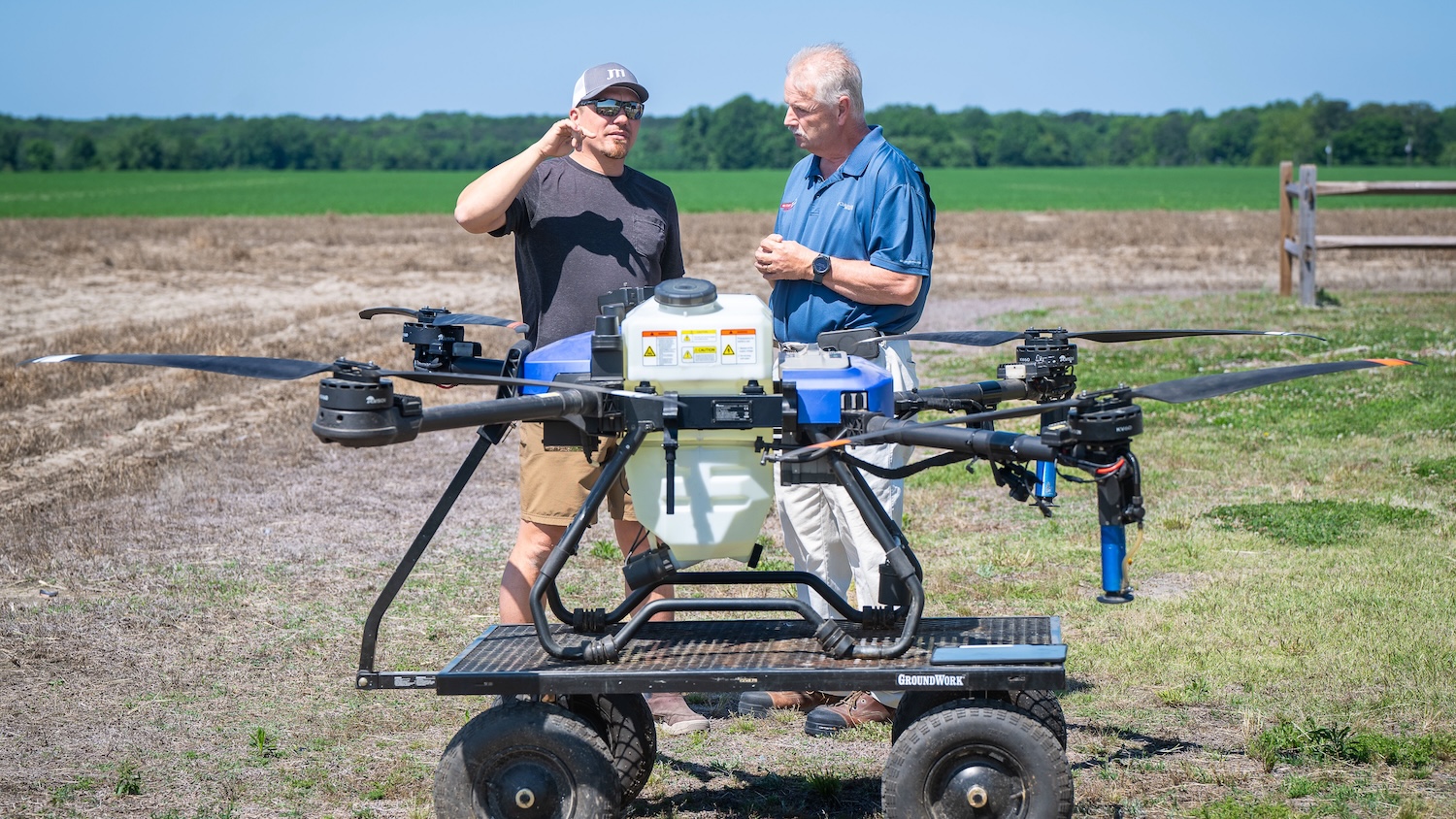
For generations, North Carolina farmers have risen before sunrise to tend the fields and livestock that feed communities, fuel local economies and shape the state’s identity. Today, a new generation of farmers faces a rapidly evolving landscape, defined by advanced technologies, shifting markets and a growing population to feed. The pressures are real, and the stakes are high. But help is on the way, as a coalition of partners works to build a more prosperous future for North Carolina agriculture.

Ensuring the industry remains resilient and competitive in the decades ahead is the focus of NC Ag Leads, a statewide initiative bringing together leaders from agriculture, education, business and government. At the center of the effort, the Strategic Plan for North Carolina Agriculture identifies shared priorities and strategies to help the industry navigate changing markets, production challenges and workforce needs while unlocking new opportunities.
NC Ag Leads’ vision aligns closely with key priorities already outlined in NC State Extension‘s strategic plan, including efforts to further enhance Extension’s agricultural programming for farmers statewide.
“Agriculture across the state is incredibly diverse, and farmers need more from Extension than ever before,” says Bryant Spivey, Extension’s program leader for county strategic staffing in agriculture, who is coordinating implementation of a revamped agricultural staffing model across Extension’s local centers. “In the years ahead, we must ensure Extension staff are well trained, specialized and responsive to the agricultural needs and opportunities of their communities.”
Turning Strategy Into Action
The NC Ag Leads strategic plan outlines a set of priority areas — summarized as “HARVEST” — that reflect shared goals for growing North Carolina agriculture, from workforce development and technology adoption to regulatory alignment and market growth.
Agriculture across the state is incredibly diverse, and farmers need more from Extension than ever before.
In alignment with this effort, NC State Extension is modernizing its agricultural programming at the county level through a data-driven staffing model designed to better align agents’ expertise with local agricultural needs.
“The model looks closely at the volume, variety and value of agriculture in each county,” Spivey says. “By combining data and community feedback to understand local production systems, we’re much better positioned to tailor Extension programming for the farmers we serve.”
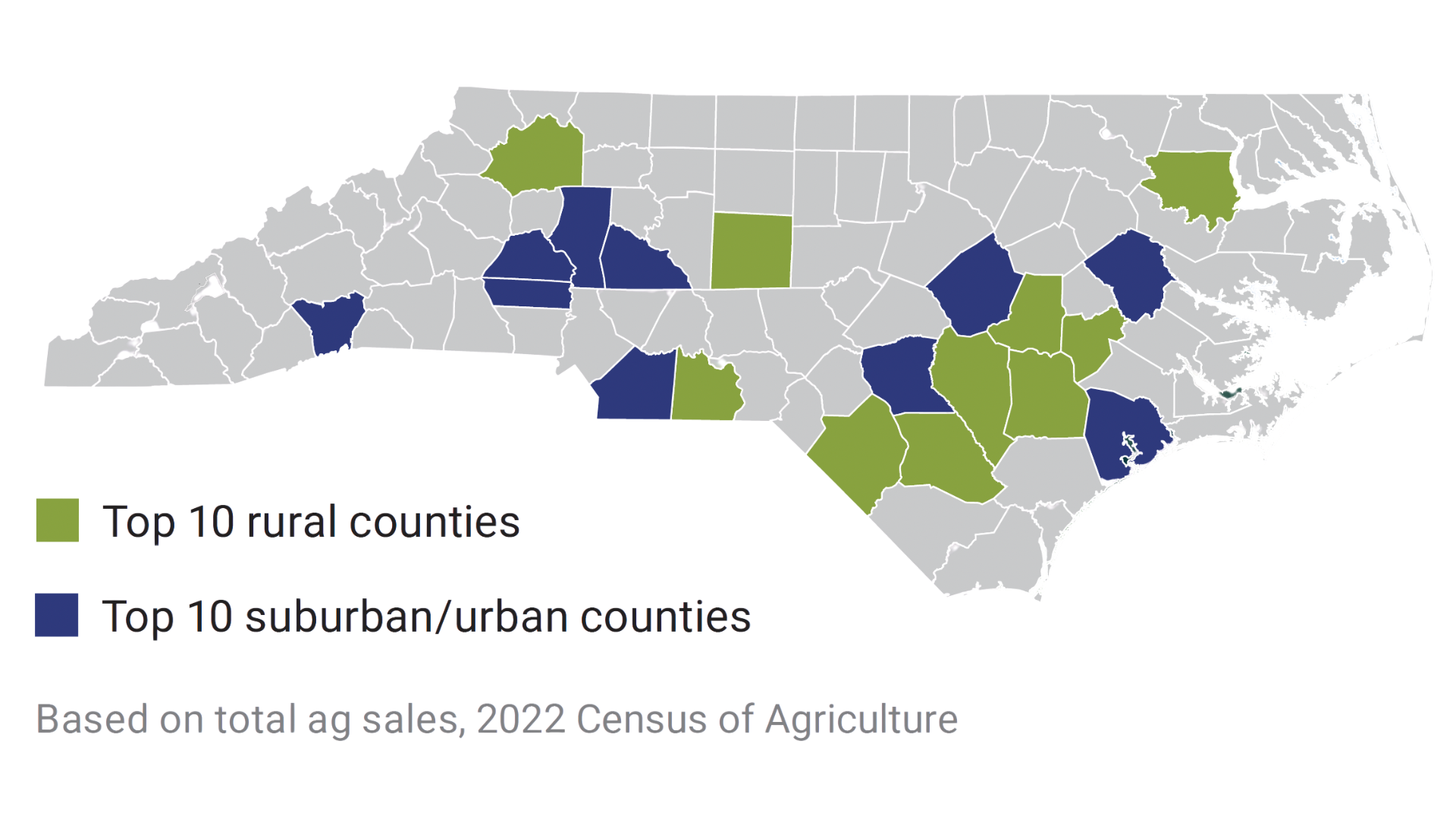
This staffing approach will guide NC State’s future hiring for agricultural positions at local Extension centers while increasing coordination across counties and programs. Implementation began in 2026, with early efforts focusing on some of the state’s strongest local agricultural economies — both rural and urban.
“As agriculture continues to evolve, Extension must evolve with it,” says David Monks, NC State Extension director. “By strategically aligning Extension expertise across the state, we can bolster our support for farmers, respond to emerging challenges and ensure North Carolina agriculture continues to thrive.”
A Collaborative Vision for the Future
NC Ag Leads is built on a simple premise: North Carolina agriculture’s potential is boundless when the industry works together.
The initiative was developed with input from a wide range of partners across the state’s agricultural sector, including the Golden LEAF Foundation, NC Chamber, N.C. Department of Agriculture and Consumer Services, NC Farm Bureau and NC State. The group consulted farmers throughout the process, ensuring the plan reflects the priorities and realities of those working in agriculture every day.
“North Carolina agriculture has tremendous opportunity ahead, but realizing that potential requires coordination, leadership and a shared vision,” says Ray Starling, general counsel for the NC Chamber and a leader in the NC Ag Leads effort. “At the end of the day, this initiative is about making sure farmers and the agriculture industry have what they need to grow, compete and thrive for years to come.”
Already one of the state’s largest economic engines, agriculture generates more than $100 billion in annual impact while anchoring local economies, supporting food systems and sustaining thousands of farms and families across North Carolina. Looking ahead, Extension leaders see this work as part of a broader effort to ensure the industry remains a cornerstone of the state’s economy and rural vitality.
At the end of the day, this initiative is about making sure farmers and the agriculture industry have what they need to grow, compete and thrive for years to come.
“Five or 10 years from now, success means having the right expertise in the right places. It means farmers have stronger support systems, communities are benefiting from vibrant local economies, and North Carolina continues to lead in agricultural innovation,” Monks says.
“Working alongside our partners, Extension will remain a vital resource and continue sustaining North Carolina agriculture for generations to come.”
- Categories:


